Murbey: A Font That Captures Modern Whimsy
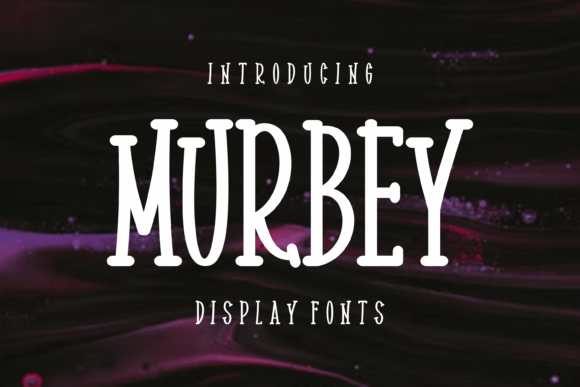
In the crowded landscape of design assets, finding a typeface that truly stands out can transform a project from ordinary to unforgettable. This is where Murbey enters the conversation—a fun and unique display font that immediately injects personality and charm into any visual composition. Its incredibly versatile style makes it a powerful tool for creators looking to move beyond generic typography and craft designs with genuine character.
The Role of Personality in Visual Design
Modern graphic design is a dialogue between clarity and emotion. While functional typefaces handle body text with precision, display fonts like Murbey are the voice of your brand's personality. They are essential for creating a strong visual hierarchy, guiding the viewer's eye, and establishing an immediate emotional connection. In a world saturated with content, a distinctive typographic choice is no longer a luxury—it's a strategic necessity for effective communication and brand recall.
Practical Applications Across Creative Projects
The true value of a creative asset lies in its application. Murbey's playful yet polished aesthetic makes it exceptionally adaptable across a wide range of professional and personal projects. Consider its utility in the following areas:
- Branding and Logo Design: Use Murbey to craft a memorable wordmark or logotype for brands targeting a youthful, creative, or lifestyle-oriented audience. It sets a tone of approachability and innovation.
- Marketing and Advertising: Create eye-catching social media graphics, poster headlines, and banner ads that stop the scroll. Its unique letterforms ensure your message is seen and remembered.
- Product and Packaging Design: Elevate merchandise, stationery, and product packaging with a typographic element that feels bespoke and fun, enhancing the unboxing experience and perceived value.
- Digital and Web Design: Apply it strategically in website hero sections, app splash screens, or UI call-to-action buttons to inject energy and guide user engagement with a clear, stylistic point of interest.
- Editorial and Presentation Design: Break the monotony of traditional layouts in magazines, blogs, or pitch decks by using Murbey for pull quotes, chapter titles, or key slide headings to maintain viewer interest.
Integrating Murbey into Your Design Workflow
Adopting a new font into your toolkit requires thoughtful consideration to ensure it enhances rather than clashes with your existing design system. When evaluating Murbey or any display typeface, focus on these key factors:
- Consistency and Brand Alignment: Does the font's personality align with your brand's core message and target audience? A whimsical font suits a children's brand but may conflict with a luxury financial service.
- Visual Hierarchy and Readability: Display fonts are best used sparingly for headlines and accents. Pair Murbey with a clean, highly readable sans-serif or serif font for body text to create a balanced and professional layout.
- Scalability and Versatility: Test the font at various sizes to ensure it remains legible and retains its charm, from a large banner to a small social media icon. Its versatility is a core strength.
- Context and Composition: Consider how the font interacts with your chosen color palette, imagery, and white space. The most impactful designs use typography as one element in a cohesive visual symphony.
Ultimately, the strength of any design project rests on the intentionality behind its visual choices. Investing in high-quality, character-driven creative assets like Murbey is an investment in clearer communication and stronger emotional resonance. By thoughtfully integrating such resources, designers, marketers, and creators can elevate their work, ensuring it not only looks polished and professional but also connects authentically with its intended audience. The right typography doesn't just display words—it conveys a story, an attitude, and a brand promise in a single, compelling glance.